
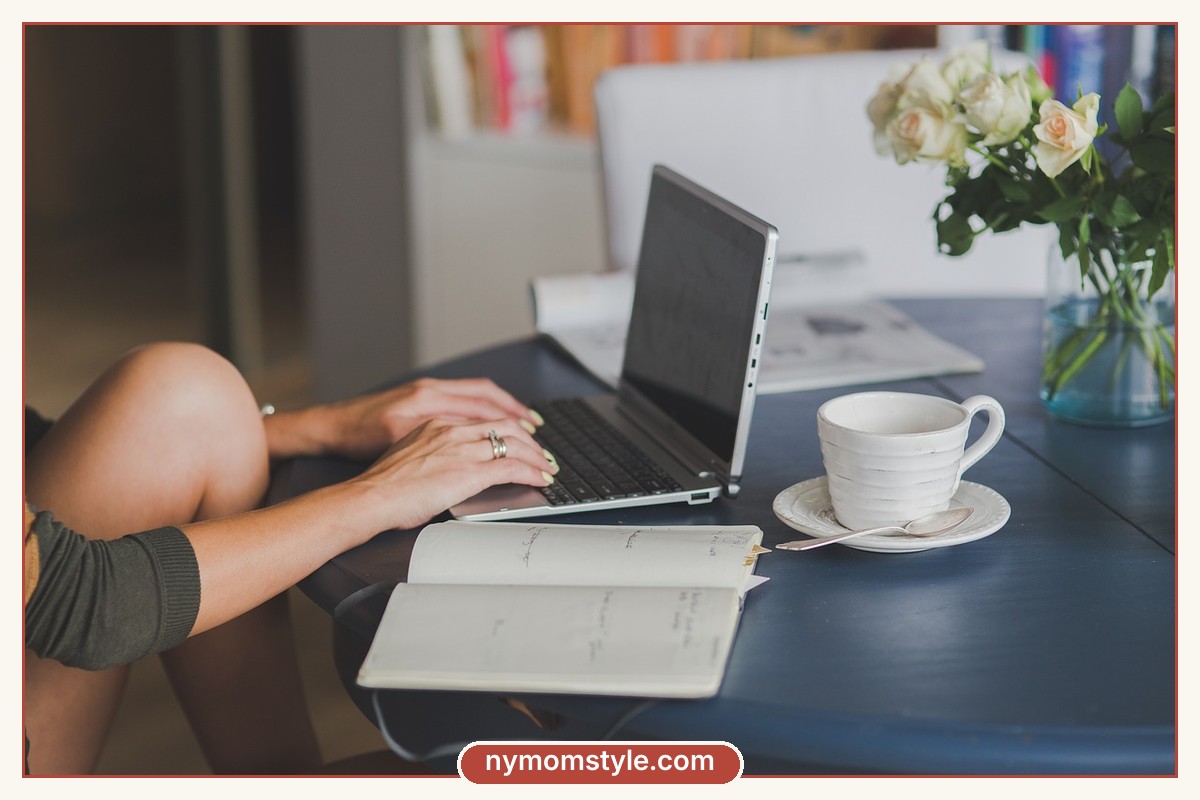
Working from home is a gift and a trap. You skip the commute, but you can also slide into the same worn-out sweatshirt for a week and start to feel flat. The goal is not to dress up for a boss who is not there. It is to wear something that helps you feel focused, comfortable and ready for whatever the day brings, including an unexpected video call.
This guide uses a simple three-level dress ladder. Level one is comfy at the desk, level two is camera-ready and level three is out-and-about. You can move up or down the ladder with one or two small swaps, so you are never caught out. Remote work has become common in many industries, and there is a helpful overview of it on Wikipedia, but the clothing part is what we cover here.
Why what you wear at home still matters
- It signals the start of work. Changing out of pyjamas gives your brain a clear line between rest and work.
- It makes video calls stress-free. You do not have to scramble when a call comes in.
- It helps you leave the house. School pickups and quick errands are easier when you are already dressed.
- It lifts your mood. You do not need to be fancy, but feeling put together helps many people feel more capable.
The three-level dress ladder
| Level | Name | What it looks like | When to use it |
|---|---|---|---|
| 1 | Comfy at the desk | Soft pants or leggings, a clean tee or knit, warm socks | Heads-down work with no calls |
| 2 | Camera-ready | Level 1 plus a nicer top or a blazer or cardigan on top | Video calls and meetings |
| 3 | Out and about | Level 2 plus real trousers or jeans, shoes and a jacket | Errands, school runs, coffee, an unplanned meet-up |
Level 1: Comfy at the desk
This is your daily base. It should be soft and loose enough to sit in for hours, but clean and tidy enough that you could be seen by a delivery driver without embarrassment.
- Bottoms: soft joggers in a thicker fabric, wide-leg lounge trousers or high-waisted leggings.
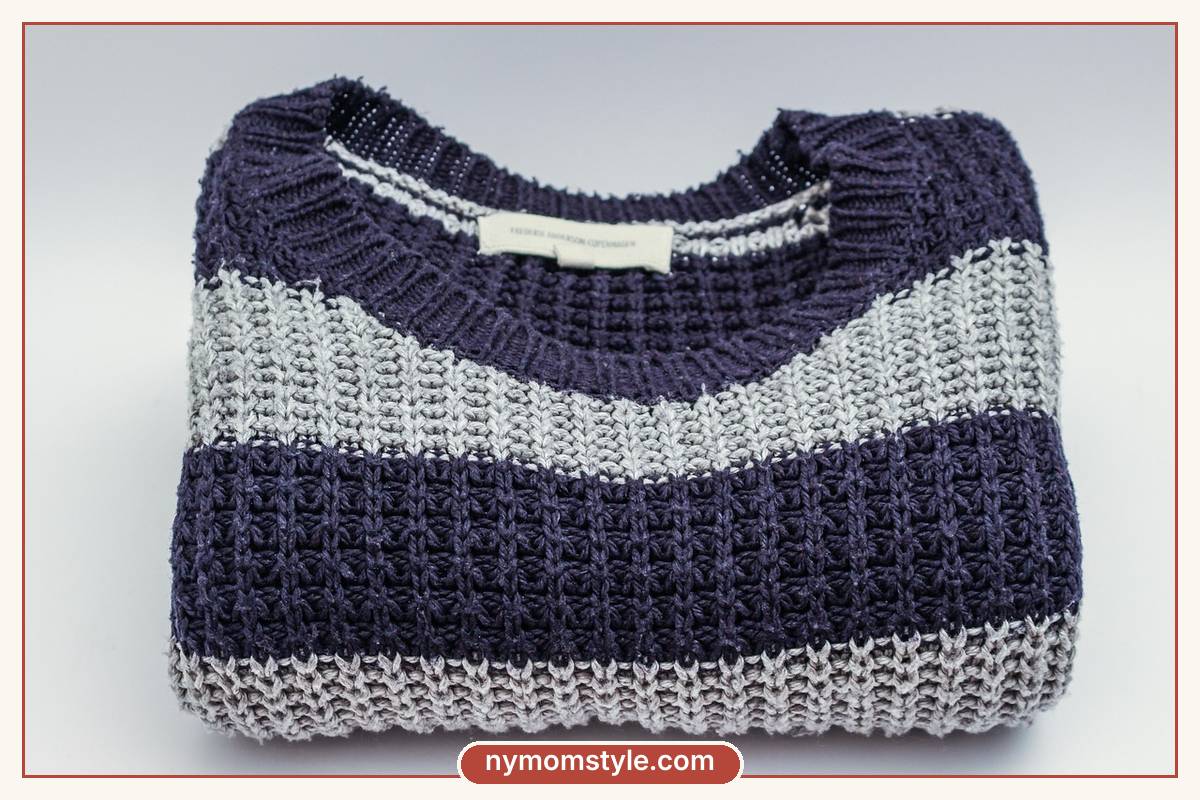
- Tops: a soft tee, a long-sleeve knit or a light sweatshirt without large logos.
- Feet: warm socks or comfortable slippers. Cold feet make it hard to concentrate.
- Layer: a cardigan, a hoodie or a shawl you can add or remove as the room warms or cools.
Choose fabrics that do not pill or lose shape, so even your comfy clothes look neat. If you are not sure what to buy, see our guide to comfortable work from home outfits.
Level 2: Camera-ready
Level 2 is Level 1 with one upgrade on top. Because most video calls show only your upper half, you can keep your comfortable bottoms and still look professional.
- Swap the tee for a blouse, a smooth knit or a button-down shirt.
- Add a blazer or a structured cardigan.
- Pick solid colours or soft patterns that look good on camera. Avoid very tiny stripes, which can appear to shimmer on screen.
- Add earrings or a necklace, and brush your hair into a simple style.
- Keep a “call layer” on the back of your chair, so you can put it on in seconds.
There is more detail in what to wear on video calls.
Level 3: Out and about
For school pickups, errands and coffee with a friend, step up to real bottoms and shoes. You do not need a new outfit. You only need to change a few things.
- Swap lounge bottoms for jeans or stretch trousers.
- Put on clean sneakers or flats.
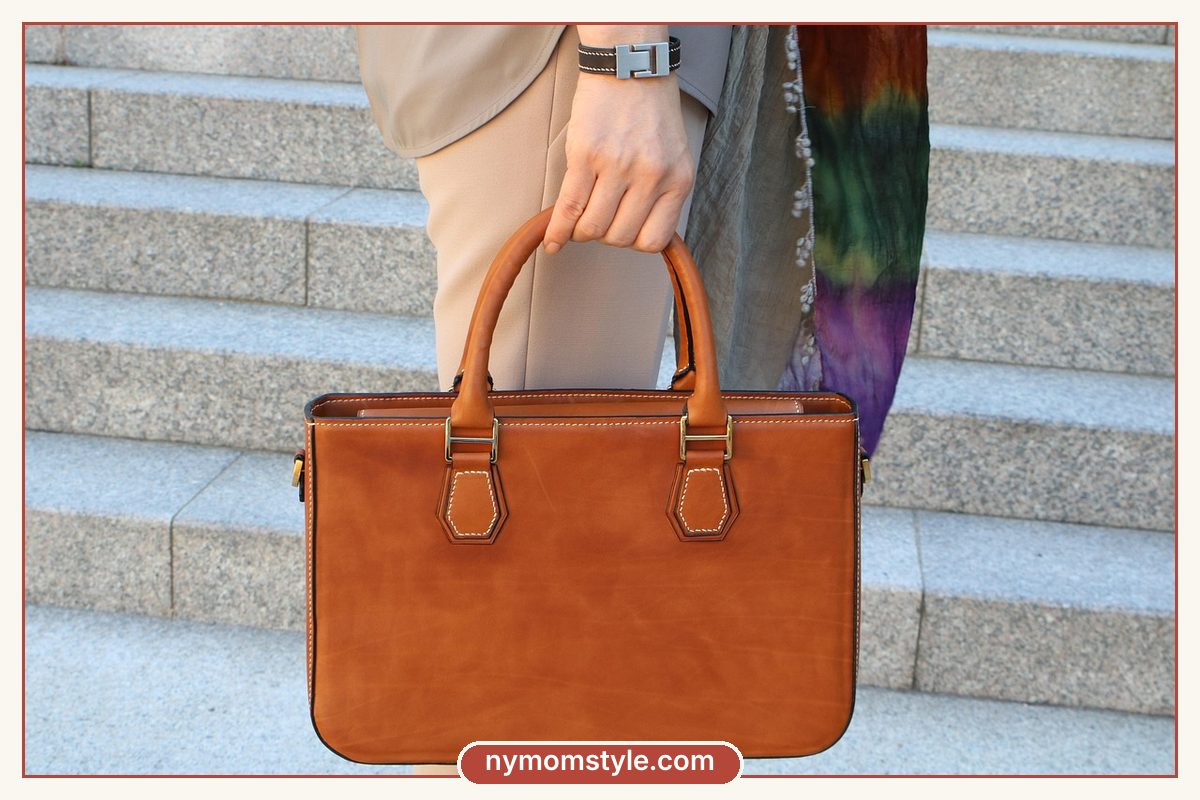
- Add a jacket or a coat, and a crossbody bag.
- Check your hair and add a touch of lip balm or colour.
For ideas that use the same pieces, read what to wear to school drop-off.
A sample week for a work-from-home mom
| Day | Plan | Level |
|---|---|---|
| Monday | Soft joggers and a knit, with a blazer on the chair for the weekly meeting | 1 to 2 |
| Tuesday | Leggings, a long tee and a cardigan | 1 |
| Wednesday | Wide-leg lounge pants and a blouse, with a scarf for calls | 2 |
| Thursday | Jeans, a tee and sneakers for a school event, then a quick change of top | 3 |
| Friday | Comfy knit dress with leggings and a denim jacket | 1 to 3 |
Make your home desk comfortable too
Your clothes are part of your comfort, but so is your workspace. Government workplace safety agencies such as the US Occupational Safety and Health Administration publish guidance on setting up a computer workstation, including seat height, screen position and posture. A few simple changes, such as raising your screen and supporting your lower back, can help you stay comfortable throughout the day, whatever you are wearing.
Habits that help you feel dressed and ready
- Get dressed before you open your laptop, even if the outfit is simple.
- Make your bed and open the curtains. A tidy space helps you feel clear.
- Take a short walk or step outside at some point in the day.
- Keep a small basket of “call-ready” items, such as a blazer, earrings and lip balm.
- Wash your comfy clothes often, so they stay fresh and soft.
Mistakes to avoid
- Staying in pyjamas all day. Some people like it, but many find it makes the day blur together.
- Wearing tight waistbands to sit all day. They get uncomfortable fast.
- Choosing clothes with logos or stains for calls. They draw attention away from you.
- Dressing up for no reason. The goal is to feel good, not to perform.
- Ignoring shoes and socks. Cold feet or bare feet on hard floors make work harder.
FAQ
Should I get dressed every day when I work from home?
It is a personal choice, but many people find it helps with focus and routine. A simple outfit that is comfortable and clean is enough.
What is the best outfit for working from home?
Soft, stretchy bottoms with a neat top and a layer on top are a good base. Add a blazer when you have a meeting.
What should I wear on days with no calls?
Wear your comfiest tidy outfit, such as joggers and a soft knit. Keep a call-ready layer nearby in case your plans change.
How do I keep my WFH clothes from looking sloppy?
Choose good fabrics, avoid faded or stretched pieces and wash them regularly. Replace worn-out basics, and keep your favourites for the days you need them.
Final thought
Working from home does not need a uniform, but a small system helps. Pick a comfy base, keep a camera-ready layer within reach and step up when you leave the house. You will feel ready for anything, without trying hard.