
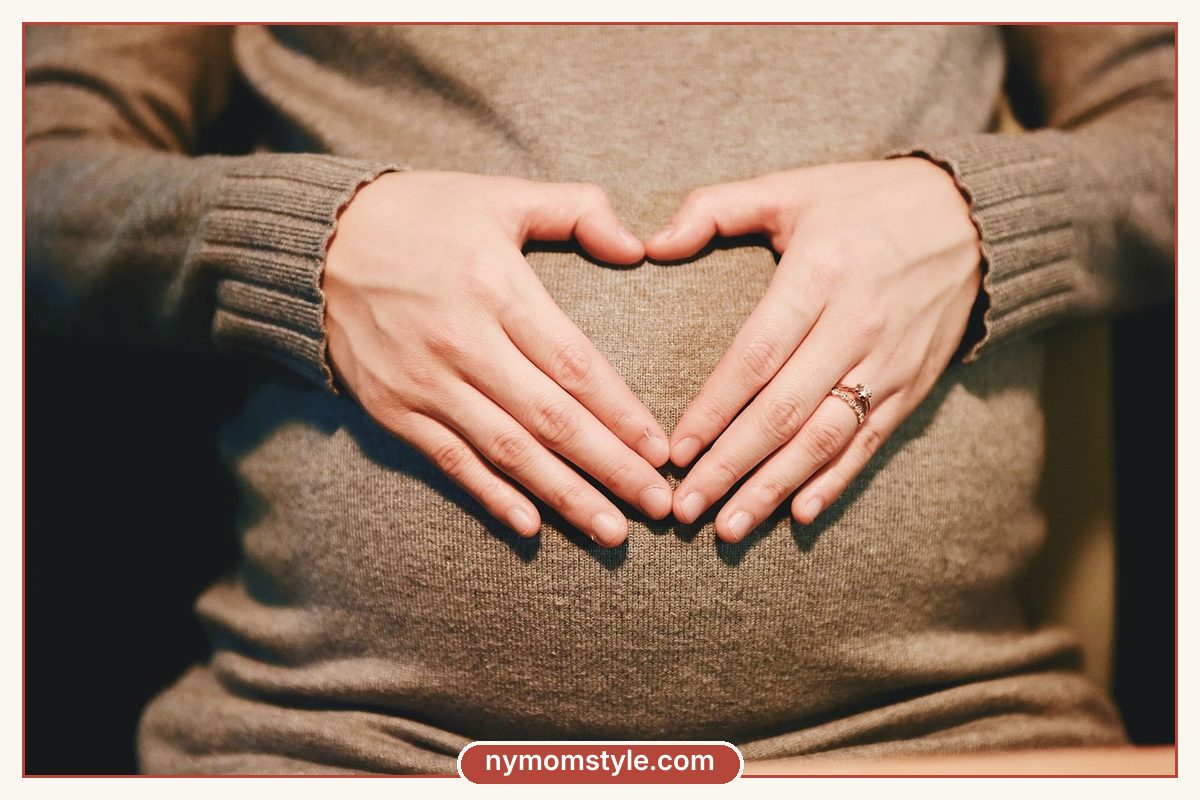
A few months after birth, many moms notice that their middle looks and feels different, and their old clothes do not sit the same way. That is normal, and it is not a flaw to fix. It is simply a body that has done something big. What helps is choosing clothes that treat your middle kindly, so you feel comfortable while you recover and adjust.
This guide works from the inside out, layer by layer: what to wear next to your skin, what to wear on top and how to finish an outfit. It is only about clothes and comfort. For questions about your body, such as pain, muscle separation or recovery, speak to your doctor or a qualified professional. The World Health Organization’s postnatal care recommendations are a good starting point if you want to understand what care to ask for.

Layer 1: What goes next to your skin
Comfort starts with underwear and base layers.
- High-waisted, soft underwear that does not dig in. Seamless styles prevent lines under clothes.
- A supportive but comfortable bra, especially if you are still feeding.
- A smooth tank or camisole to layer under tops and prevent clinging.
- Leggings with a wide, soft waistband as a base for dresses and tunics.
If you are thinking about shapewear or support garments, ask your doctor first. Some people find them helpful, and others find them uncomfortable. Do not wear anything that hurts.
Layer 2: Tops that skim, not cling
Look for tops that fall away from your stomach rather than gripping it.
| Top | Why it works | Style it with |
|---|---|---|
| Wrap top | The V shape lengthens, and the tie adjusts to your shape | Straight trousers |
| Peplum or flared top | Flows out from the waist and skims the stomach | Skinny or straight jeans |
| Long, loose shirt | Gives coverage without clinging | Leggings or soft pants |
| Flowy blouse | Soft fabric moves away from the body | Jeans or a skirt |
| Fitted tee, tucked loosely | Adds shape without squeezing | High-waisted pants |
| Open cardigan or blazer | Creates a vertical line that draws the eye down | Anything |
Layer 3: Bottoms that sit comfortably
The waistband matters most.
- Wide, high waistbands sit smoothly over the stomach and stay put.
- Stretch denim or knit jeans are more forgiving than rigid denim.
- Elastic or drawstring waists adjust as you change.
- Wide-leg pants and A-line skirts add balance and move freely.
- Soft joggers in a heavier fabric look neat and are comfortable.
When you buy trousers, sit, bend and lift your arms in the changing room. If the waistband rolls or digs in, try another style or size. Do not be discouraged by a number on the label, because sizes vary between brands.
Layer 4: Dresses that work
- Wrap dresses adjust to any shape and are easy for feeding.
- Shirt dresses can be belted or worn loose.
- Empire-line dresses fall from beneath the bust and skim the stomach.
- Knit midi dresses are comfortable and stretch with you.
- Smock or tiered dresses give plenty of room without looking shapeless.
Layer 5: Finishing touches
The right accessories draw attention to other parts of your outfit and add polish.
- A scarf or a long necklace creates a vertical line.
- A belt worn loosely over a cardigan or coat defines your shape without squeezing.
- Statement earrings, sunglasses or a hat give you a focal point near your face.
- A structured bag, shoes and a jacket pull the outfit together.
Colours, prints and fabrics
- Solid colours in the same tone from top to bottom create a long, smooth line.
- Dark colours are easy, but you can also wear lighter colours if you like them.
- Small or medium prints hide texture and look relaxed. Very large prints can overwhelm.
- Fabric with some drape, such as jersey or crepe, is kinder than stiff fabric.
- Avoid very thin, clingy fabrics if they make you self-conscious.
Five outfits for a changing midsection
- Everyday: high-waisted stretch jeans, a loose tee and a long cardigan.
- Dressy: a wrap dress, a denim jacket and flats.
- Home day: soft joggers, a long knit and slippers.
- Work: straight trousers, a flowy blouse and a blazer.
- Evening: a knit midi dress, a belt over a long jacket and ankle boots.
For more help building a wardrobe for this stage, see postpartum wardrobe essentials and what to wear postpartum. If you want to simplify your closet overall, a capsule wardrobe can help.
Mindset matters
Clothes can help you feel better, but they cannot do all the work. Be gentle with yourself. Try not to compare your body with photos online, because they are often edited and show only one moment. Choose clothes that fit now and do not wait for a different body to look good. Your body is allowed to look like it has had a baby.
Fitting-room tips for a changing body
- Go when you are not rushed. Trying clothes on while tired and with a baby is stressful, so bring help if you can.
- Take three sizes. Sizing varies between brands, and the number on the label means nothing.
- Sit, bend and lift your arms. If the clothes pinch or ride up, put them back.
- Check the fabric in daylight. Some fabrics are see-through or cling in a way you may not like.
- Look at the return policy. You may want to try things again at home.
How your wardrobe may change over the months
In the early months you may rely on elastic waists and loose layers. Over time, your body may settle and you may prefer more structure, such as straight jeans or tailored trousers. Some people change shape permanently, and that is also fine. Check your wardrobe every few months, keep what feels good and pass on what does not, so your closet always reflects the body you have today.
FAQ
What should I wear to hide my postpartum belly?
You do not have to hide it, but if you want to feel more comfortable, try wrap tops, loose shirts, long cardigans and high-waisted bottoms with a soft waistband.
Is shapewear a good idea after birth?
Some people like it, and others find it uncomfortable. Speak to your doctor before using anything that compresses your middle, especially in the early months.
Which jeans are best postpartum?
Stretch jeans with a high, wide waistband in a straight or relaxed cut are usually the most comfortable. Try several sizes, because fit varies.
Should I wait to buy new clothes?
Buy a few comfortable pieces for now, and wait before building a larger wardrobe. Your body may change for months.
Final thought
Dressing your postpartum belly is about comfort and kindness. Start from soft layers, choose shapes that skim, and add the small details that make you feel like yourself. The rest can wait.