
Looking stylish on a budget is not about buying less. It is about knowing where a little extra money pays you back and where it is wasted. When your budget is tight and your time is even tighter, a few smart choices matter more than a big closet.
This guide uses a simple spend vs save approach. For each type of clothing, it tells you whether to invest, to save, or to go in the middle, and why. It also gives you a way to judge any purchase before you pay for it.
The rule that makes budget style work: cost per wear
A cheap item you wear twice can cost more per wear than a pricier one you wear a hundred times. To compare, divide the price by the number of times you expect to wear it. For example, a jacket that costs 100 and is worn 50 times costs 2 per wear. A top that costs 20 and is worn 4 times costs 5 per wear. These numbers are only an example, but the idea holds for every purchase.
Before buying anything, ask three questions:
- Can I picture three outfits I already own that this goes with?
- Will I wear it at least once a week in its season?
- Does it fit and feel good right now, not “after I lose or gain a bit”?
If the answer to all three is yes, it is a good purchase at almost any sensible price. If not, put it back.
Spend vs save at a glance
| Item | Spend, save or middle | Why |
|---|---|---|
| Everyday jeans or trousers | Spend a little more | You wear them most days, and fit and fabric decide how they look after many washes. |
| Coat or main jacket | Spend a little more | It is seen in every outfit all winter, and warmth and shape matter. |
| Shoes you walk in daily | Spend a little more | Comfort and support affect your whole day. |
| Everyday bag | Middle | Choose sturdy zips and straps, but you do not need a luxury label. |
| Basic tees and tanks | Save | They wear out and stain. Buy simple ones and replace them often. |
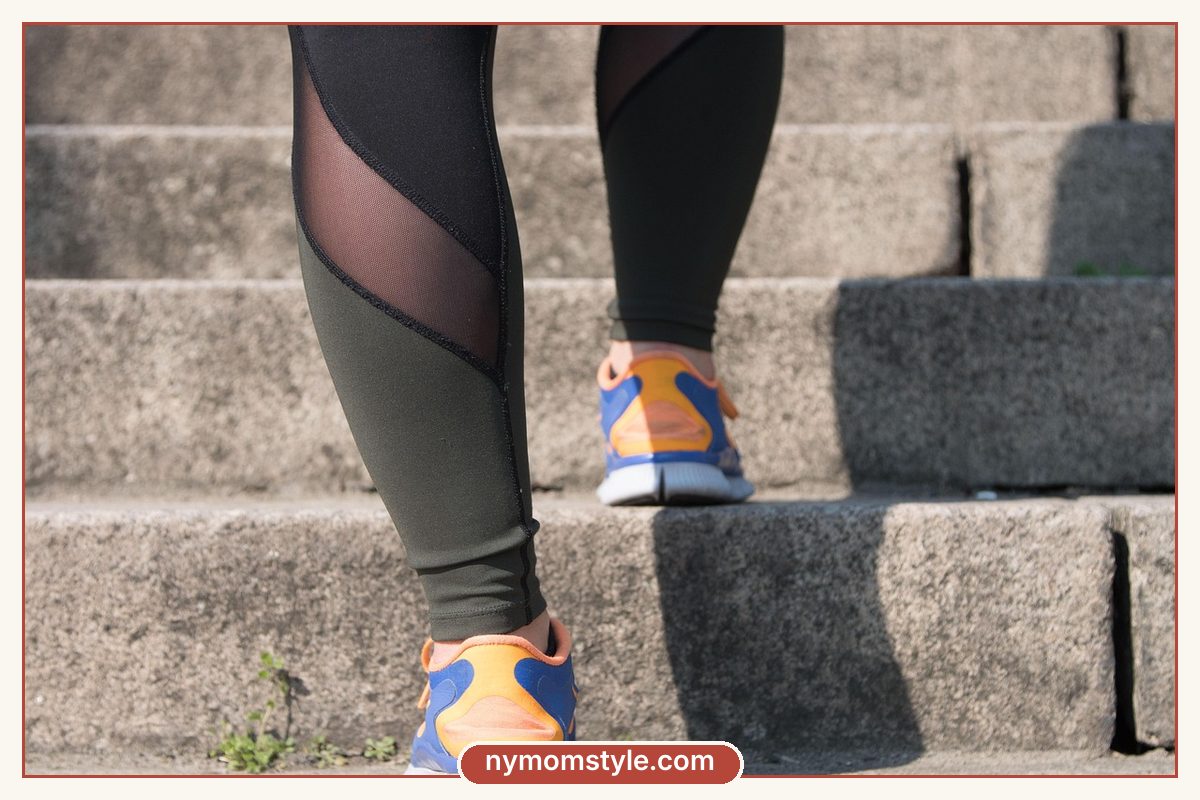
| Leggings | Middle | Opaque, thick fabric is worth paying for, but you can still find good ones at fair prices. |
| Trend pieces | Save | A trend changes quickly, so buy cheap or borrow, or skip it. |
| Jewelry and accessories | Save | Small, simple pieces change an outfit without costing much. |
| Pajamas and loungewear | Save | Comfort counts, but nobody sees it, so keep it simple. |
What to spend a little more on
1. Jeans or trousers that fit
Fit is the biggest difference between “I got dressed” and “I look put together”. Try on several cuts, sit down in them, crouch and lift your arms. A pair that sits right and feels good will be worn constantly.
2. One good coat
A coat is the first thing people see in cold months. Choose a classic shape in a neutral colour so it works with everything, and check the lining and seams. A well-made coat can last many winters.
3. Comfortable shoes
Shoes that hurt make a whole day feel worse. Look for good cushioning, a stable sole and room for your toes. If you walk a lot, see our guide to the best shoes for moms who walk a lot.
What to save on
- Basic tees and tanks. Buy plain ones in two or three colours and replace them when they wear out.
- Trend pieces. If a style feels new and exciting, borrow it, buy it second-hand or choose an inexpensive version.
- Accessories. A scarf, belt or pair of earrings changes the look of the same outfit for little money.
- Loungewear. Soft is enough. Fancy is not needed.
Smart ways to shop for less
Shop your own closet first
Pull out everything you own and sort it into “wear often”, “wear sometimes” and “never wear”. Try new combinations from the first two groups before buying anything. Most people own more outfits than they realise.
Try second-hand and thrift shops
Thrift and consignment shops are a good place to find coats, jeans and jackets in solid fabrics. Wash everything when you get home, check zips and seams, and try things on, because sizing varies. You can read more about how thrift shops work on Wikipedia.
Buy at the end of the season
Stores clear coats in late winter and sandals in late summer. If you buy classic styles, they will still look right next year. Write down your measurements and sizes before you shop so you can decide quickly.
Use a wish list and wait
Put an item on a list and wait a week. If you still want it and it passes the three questions above, buy it. Many impulse buys disappear from the list on their own.
Care for what you own
Following the care label, washing on a gentle cycle and air-drying knits makes clothes last longer. A fabric shaver for sweaters and a quick shoe clean make older pieces look newer.
A starter budget wardrobe
If you are building from very little, this is a sensible order to buy things in. Fill one gap at a time.
- A pair of jeans or trousers that fit well.
- Two or three plain tops in neutral colours.
- A cardigan or jacket you can layer.
- Comfortable shoes that go with everything.
- A bag that holds your daily items.
- One piece you love, such as a dress or a printed top.
When you are ready to turn these pieces into a complete closet, read how to build a capsule wardrobe for moms. For easy outfit ideas that use the same basics, see what to wear to school drop-off.
Mistakes that waste money
- Buying something because it is on sale. A discount on something you will not wear is still wasted money.
- Buying in a size you hope to fit later. Clothes that do not fit now stay in the closet.
- Choosing one-off colours. A bright orange top may go with nothing you own.
- Ignoring fabric. Thin, scratchy or stiff fabric will not get worn, however cheap.
- Skipping returns policies. Check them, so you can return something that does not work at home.
FAQ
How much should I spend on clothes as a mom?
There is no single number. Decide what you can comfortably spend each month, then use most of it on the few pieces you wear most: fitting trousers, a coat and shoes.
Is fast fashion ever worth it?
For trend pieces and basic accessories that you will wear for a short time, it can be. For items you wear every day, better fabric and construction usually cost less in the long run.
Where can I find good clothes cheaply?
Try thrift stores, consignment shops, end-of-season sales and swaps with friends. Check fabric, seams and fit before you buy.
How do I stop impulse buying?
Use a wish list, wait a week, and ask yourself the three questions from this guide. Unsubscribing from sale emails also helps.
Final thought
Budget style is a skill you can learn. Spend where you wear it daily, save where it is replaceable, and look after what you own. Start by shopping your own closet this week, and you may find that you already own more outfits than you thought.